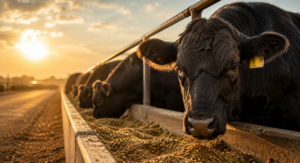

Summer cattle performance
Summer Heat Stress in Cattle: Practical Management, Performance Impacts, and New Revelation Solutions
Summer heat stress in cattle is not just about animals looking uncomfortable. It can change dry matter intake, milk production, average daily gain, breeding results, and death loss risk. This article explains why cattle struggle in hot weather, how to recognize the signs early, and how New Revelation products can fit into a practical summer program.
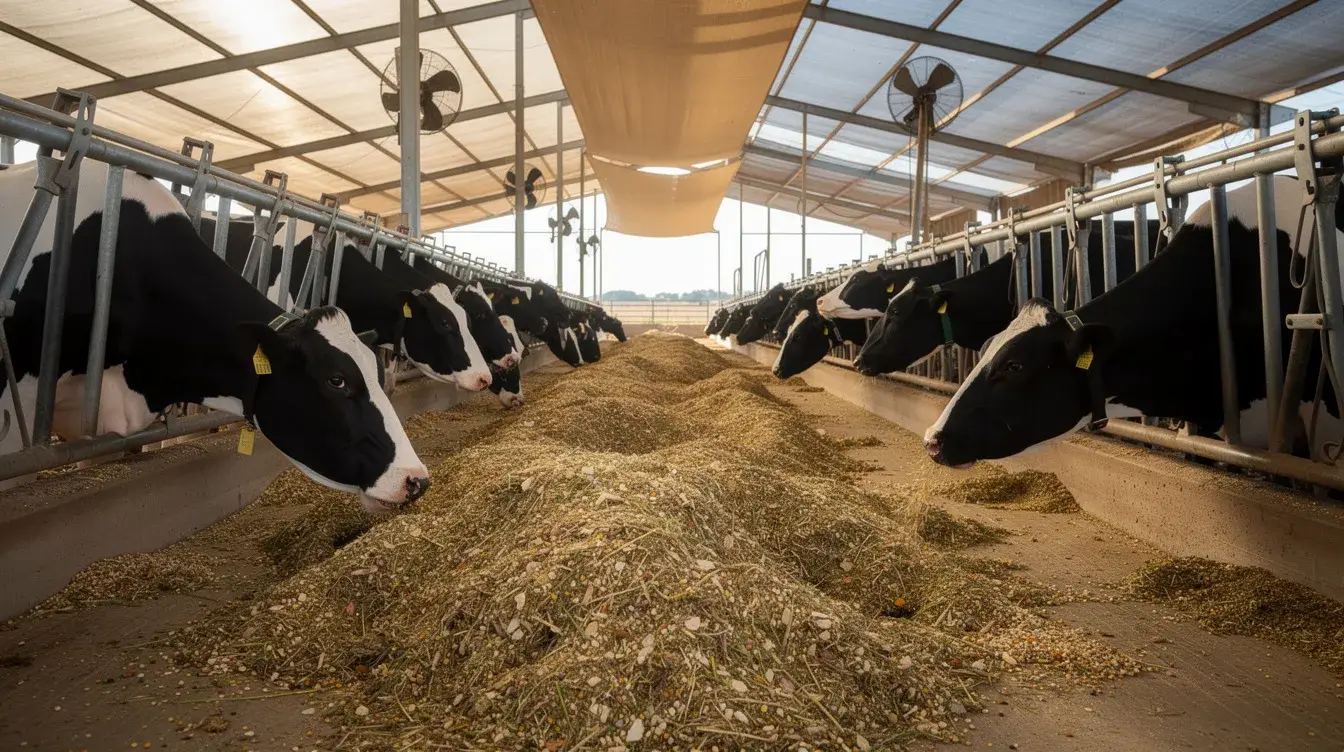
Maintaining dry matter intake is one of the most important goals during summer heat stress.
Article Overview
- Understanding summer heat stress in cattle
- Signs of heat stress producers should watch
- Performance impacts in dairy, feedlot, and cow-calf cattle
- Core management strategies for summer heat
- How 454 supports intake and heat abatement
- How AP-5 supports cattle on toxic fescue
- How to design a summer field trial
Understanding Summer Heat Stress in Cattle
Summer heat stress is a major issue for cattle because it affects both animal comfort and farm profit. When temperatures rise, cattle may eat less, gain less, breed poorly, and produce less milk. That is why summer heat stress in cattle should be managed like a performance problem, not just a weather problem.
Heat stress occurs when ambient temperature, high humidity, solar radiation, and low air movement cause cattle to build up more body heat than they can dissipate. As the heat load rises, cattle must spend extra energy trying to regulate body temperature instead of using that energy for milk, gain, reproduction, or recovery.
The Temperature Humidity Index, often called THI, is one way to measure risk. Monitoring THI helps producers and nutritionists evaluate when heat stress conditions are likely to affect cattle performance. Wind, shade, direct sun, stocking density, water access, and nighttime cooling all matter.
At New Revelation, the focus is simple: help cattle maintain dry matter intake, support normal body temperature regulation, and keep performance moving during the summer months. That is where 454 and AP-5 fit. 454 is designed for heat abatement in feedlot and dairy cattle, while AP-5 is designed for cattle challenged by endophyte-infected fescue.
Why Cattle Experience Heat Stress So Readily
Cattle are large ruminants, and they create a lot of internal heat. Dairy cattle producing milk, feedlot cattle on high-energy rations, and heavy cattle near market weight all produce more heat than cattle at maintenance. Much of this heat production comes from rumen fermentation, growth, and milk synthesis.
Cattle use several tools to cool themselves: faster respiration, sweating, more blood flow to the skin, shade seeking, higher water intake, reduced activity, and changes in feeding time. But when humidity is high, wind is low, and solar radiation is intense, those tools may not be enough.
Cattle grazing toxic fescue face another problem. Endophyte-infected fescue can contain ergovaline, an ergot alkaloid that contributes to vasoconstriction. When blood vessels narrow, cattle have a harder time releasing body heat. This is why fescue cattle may stand in ponds, crowd shade, show rough hair coats, struggle with breeding, and lose performance in summer. For those herds, AP-5 fescue toxicosis support is the more targeted summer strategy.
Recognizing the Signs of Heat Stress in Cattle
Early detection matters. Visible signs of heat stress often appear before major losses in milk yield, gain, or reproductive performance. Producers should watch for changes in cattle behavior, water use, respiration, and bunk activity.
- Shade crowding or bunching in low-airflow areas
- Pond standing or cattle seeking mud and water
- Reduced feed intake or less activity at the bunk
- Excessive drooling, panting, or open-mouth breathing
- Standing with heads lowered
- Lethargy or unwillingness to move
- More frequent trips to water troughs
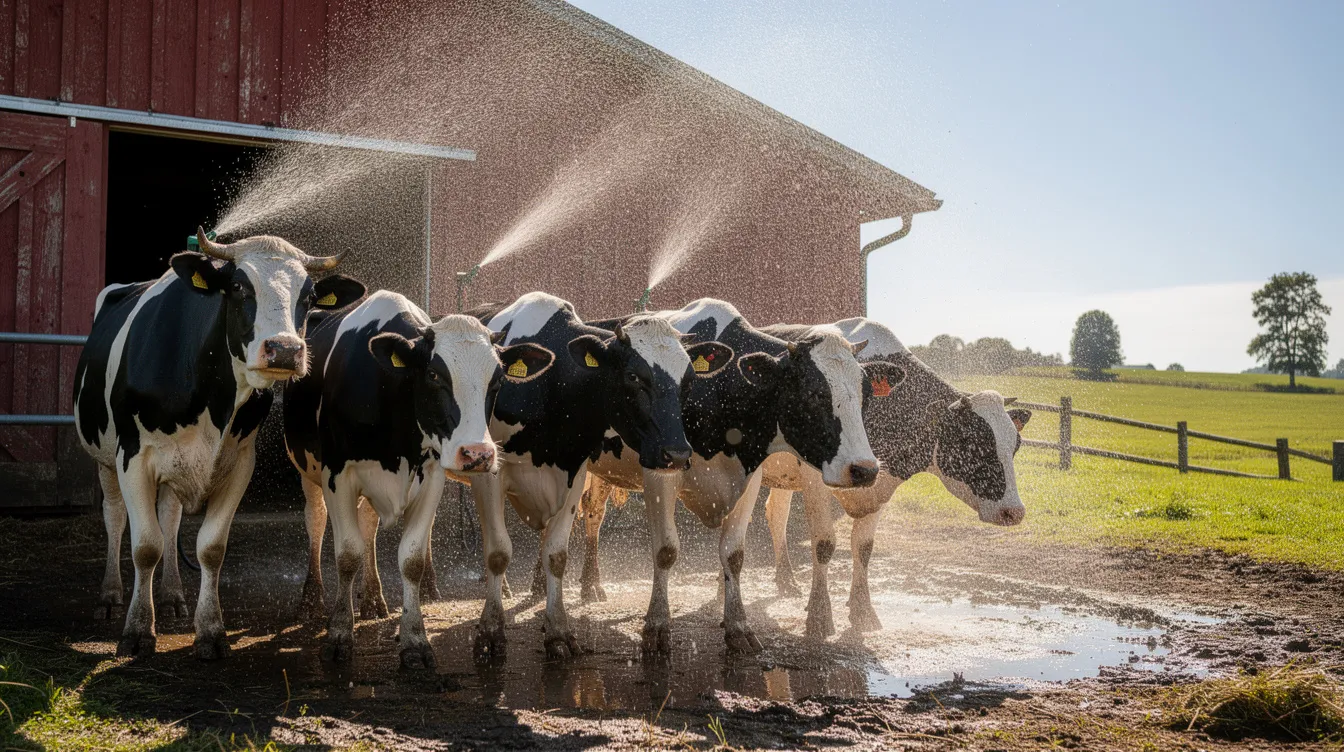
Cooling behavior often increases as heat load rises. Water, shade, air movement, and feed support all matter.
Practical field checks include respiration rate, rectal temperature where practical, feed behavior, milk yield, average daily gain, and body condition. A simple daily record during high-risk weather can help producers see whether cattle are holding performance or slipping before losses become expensive.
Effects of Heat Stress on Dairy Cattle, Feedlot Cattle, and Cow-Calf Herds
The effects of heat stress are not limited to a few hot days. Heat stress affects intake, growth, health, reproduction, and long-term profitability. When cattle spend too much time fighting heat, they have less energy available for milk, gain, pregnancy, and immune function.
Dairy Cattle
For dairy cows, reduced dry matter intake is often the first major problem. Lower intake can reduce milk production, hurt reproduction, and increase health pressure. This is why New Revelation positions 454 as a fit for dairy programs focused on intake, breeding, production consistency, and overall summer performance.
Feedlot Cattle
Feedlot cattle may back away from the bunk during the hottest part of the day, then overeat during cooler periods. This inconsistent intake pattern can affect rumen stability, average daily gain, feed efficiency, morbidity, and death loss risk during severe heat events. The 454 feed intake trial, 454 yearling feed trial, and 454 feedlot cattle trial are useful internal resources for producers and nutritionists evaluating summer intake support.
Cow-Calf and Fescue Herds
Cow-calf and stocker cattle may graze less during hot days. Calves can wean lighter, cows can lose condition, and open cows may increase. On toxic fescue, the problem can be worse because heat intolerance, rough hair coats, poor shedding, lower conception, and lower weaning weights may appear together. This is the core fit for AP-5.
Core Strategies to Reduce Heat Stress in Cattle During Summer
A strong summer heat stress program uses more than one tool. It combines environment, water, feeding, monitoring, and targeted nutrition. The best programs are simple enough to follow every day during heat stress conditions.
| Management Area | What to Do | Why It Matters |
|---|---|---|
| Shade | Provide enough shade space and avoid overcrowding. | Reduces solar radiation and helps cattle rest. |
| Water | Keep tanks clean, check flow rates, and add water access where cattle crowd. | Water intake rises quickly during heat stress. |
| Air movement | Improve ventilation, use fans where practical, and avoid low-airflow holding areas. | Moving air helps cattle dissipate heat. |
| Feeding time | Feed more during cooler periods when practical. | Encourages intake when cattle are less heat loaded. |
| Monitoring | Track intake, respiration, body temperature, milk, gain, and breeding outcomes. | Turns heat stress from a guess into a measurable production issue. |
| Nutrition support | Use product support such as 454 or AP-5 where the challenge fits. | Supports cattle physiology when heat, intake disruption, or fescue pressure is limiting performance. |
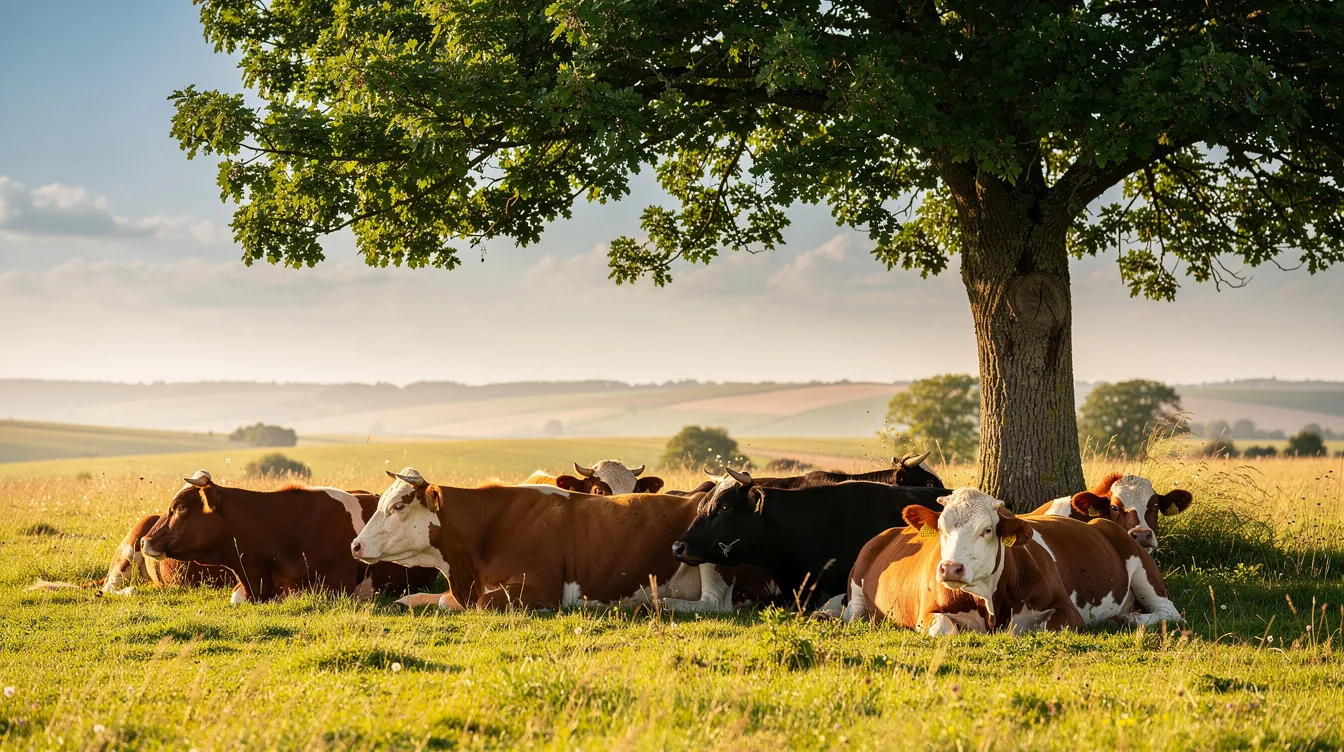
Shade is foundational, but nutrition and trial-based measurement help determine whether performance is protected.
New Revelation 454: Heat Abatement and Intake Support for Feedlot and Dairy Cattle
Best fit for 454
454 is a fit when the main challenge is summer heat stress, reduced intake, feedlot performance pressure, dairy intake stability, or reproductive performance under heat load.
454 is New Revelation’s essential-oil-based heat abatement product for feedlot and dairy cattle. It is designed to help maintain intake, support body temperature regulation, and sustain performance when cattle are under heat stress.
In New Revelation field data, 454 has been associated with practical summer outcomes producers and nutritionists can measure: dry matter intake, average daily gain, body temperature response, milk production stability, and first-service conception results.
2.75%+
Dry matter intake as percent of body weight reported in early feedlot trial pens.
4.5–5.0 lb
Average daily gain range reported in summer feedlot trial cattle fed 454.
4.57 lb
Average daily gain reported in a 454 yearling feed trial.
350 mg
Common summer feeding rate per head per day for growing and finishing cattle.
For more detailed data, link readers to the 454 feed intake trial, 454 yearling feed trial, 454 feedlot trial, and 454 breeding trial.
454 for Dairy Cows
Dairy cows are especially vulnerable because they are producing milk while also trying to cool themselves. High-producing cows create more body heat, and reduced dry matter intake can quickly affect milk production and breeding performance.
New Revelation dairy records report improved first-service conception rates in regional dairy comparisons. The 454 breeding trial and 454 dairy milk production trial are strong internal links for readers who want more product-specific detail.
AP-5 for Cattle on Fescue: Targeting Heat Stress Compounded by Fescue Toxicosis
Best fit for AP-5
AP-5 is the best fit when cattle are grazing or consuming endophyte-infected fescue and showing heat intolerance, rough hair coats, pond standing, shade crowding, low conception, or lighter weaning weights.
Cattle grazing endophyte-infected fescue face a dual challenge. They deal with normal summer heat, and they may also deal with ergovaline-driven vasoconstriction. In fescue regions, those problems can combine and create serious performance drag.
AP-5 is New Revelation’s all-natural, multi-dimensional fescue toxicosis solution. It combines binders, enzymes, probiotics, and essential oils, including the 454 component. It was developed for cattle showing fescue-related symptoms such as rough hair coats, pond standing, shade crowding, poor conception, and lighter calves.
How AP-5 Works
- Binding: AP-5 contains components selected to bind a portion of ergovaline in the gut.
- Deactivation: AP-5 includes enzymes designed to help break down a portion of ergovaline in the rumen.
- Vasodilation support: AP-5 includes essential oils selected to help support circulation under fescue-related vascular stress.
1.4°F
Lower rectal temperature reported in AP-5 heifers versus controls.
+15%
Higher first-service AI conception reported in the AP-5 heifer trial.
+63 lb
Average calf weaning weight improvement reported across Missouri cow-calf trials.
19:1
Reported ROI based on trial economics and stated cattle values.
For readers evaluating AP-5, link them to the AP-5 Angus heifer breeding and temperature trial and AP-5 cow-calf farm trials in Missouri.
When to Use 454, AP-5, or Both
| Situation | Recommended Product Fit | Primary Goal |
|---|---|---|
| Feedlot cattle under summer heat pressure | 454 | Maintain intake, gain, feed efficiency, and heat-event resilience. |
| Dairy cows struggling with summer intake, production, or breeding | 454 | Support dry matter intake, milk production stability, and reproductive performance. |
| Cow-calf or stocker cattle on toxic fescue | AP-5 | Address fescue toxicosis, heat intolerance, conception, cow condition, and weaning weight. |
| Mixed system with both heat stress and fescue pressure | Nutritionist-led 454/AP-5 strategy | Match product timing to forage source, cattle class, and measurable performance goals. |
Designing a Summer Heat Stress Field Trial
Every operation has a different heat stress profile. Product choice should depend on forage base, cattle class, production goal, and the main problem being measured. The best question is not “Which product sounds best?” The best question is “What is costing this herd the most during summer?”
| Trial Step | What to Measure |
|---|---|
| Before summer | Baseline dry matter intake, milk yield, gain, pregnancy rate, weaning weight, and death loss risk. |
| During heat | Respiration rate, water intake, rectal temperature where practical, bunk behavior, and visible heat stress signs. |
| Product period | Response to 454 or AP-5 in the target cattle group. |
| After trial | Compare performance, health, reproduction, and return on investment. |
New Revelation emphasizes trial-based adoption because heat stress, fescue toxicosis, intake disruption, and reproductive drag are measurable. A field trial should be designed with clear start dates, product rates, treatment groups, performance metrics, and economic review.
Frequently Asked Questions About Summer Heat Stress and New Revelation Products
What is the best New Revelation product for cattle heat stress?
454 is the primary fit when the main challenge is summer heat stress, reduced intake, feedlot performance pressure, or dairy production and breeding pressure.
What is the best New Revelation product for cattle on fescue?
AP-5 is the primary fit when cattle are exposed to toxic fescue and showing symptoms such as heat intolerance, rough hair coats, pond standing, lower conception, or lighter calves.
Can 454 be used in dairy cows?
Yes. 454 is positioned for dairy programs focused on summer intake, breeding, production consistency, and performance under heat stress. Internal supporting pages include the 454 breeding trial and 454 dairy milk production trial.
How should producers evaluate 454 or AP-5?
Producers should measure outcomes such as dry matter intake, average daily gain, feed conversion, conception rate, pregnancy rate, weaning weight, milk production, morbidity, mortality, and cost per head per day. New Revelation can help design a practical product trial through the trial request process.
Summer Heat Costs Money. Measure It Before It Measures You.
Summer heat can mean lower milk production, poorer gain, reduced conception, and higher health risk. But it can also be measured and managed. Start with shade, water, airflow, and better feeding timing. Then evaluate whether 454 or AP-5 fits the cattle, forage base, and performance problem in front of you.
Ready to evaluate the right summer program for your operation? Contact New Revelation and work with your nutritionist or feed supplier to design a measured field trial.